
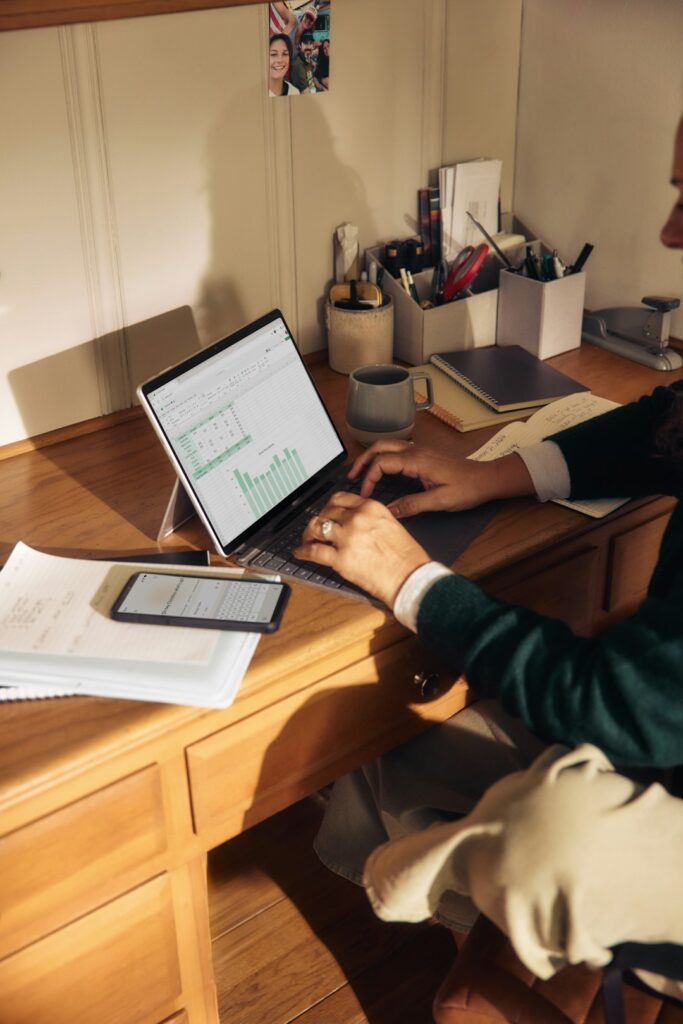
Does homeowners insurance cover a home office?
For residents of Mount Juliet, TN, a home office may receive some protection under a homeowners or renters insurance policy, but coverage is rarely as broad as people expect. The answer depends on whether the office is used for personal work, remote employment, or an independently operated business.
A standard policy generally covers the home and personal belongings against covered events such as fire, certain types of wind damage, theft, and other listed causes of loss. However, business property, business liability, lost income, and customer-related risks may be limited or excluded.
The most useful distinction is this:
- Remote employee: A company-owned laptop or equipment may be covered through the employer’s insurance or a homeowners policy, depending on the circumstances.
- Independent business owner: Business equipment, inventory, liability, and income usually require additional coverage.
- Personal workspace: A desk, chair, monitor, and household computer used primarily for personal activities may be treated as ordinary personal property, subject to the policy’s limits and deductible.
What parts of a home office may be covered?
A home office’s furniture and electronics may qualify as personal property if they are used for ordinary household purposes. A desk, standard computer, chair, printer, and office supplies could be covered after a covered loss, but the policy may not pay the full replacement cost.
Coverage can be affected by:
- Whether the item is personally owned or belongs to an employer
- Whether the equipment is used primarily for business
- The policy’s personal-property limit
- The deductible
- Whether the item is damaged at home or while being used elsewhere
- Whether the policy pays actual cash value or replacement cost
Business equipment often has a separate, lower limit. Common policy language may provide only limited coverage for business property kept at the residence and an even smaller amount for business property away from the home. Exact limits vary, so the declarations page and policy endorsements matter more than a general rule.
A valuable computer, specialized camera, drafting equipment, or other high-cost item may also need scheduled coverage if the standard limit is not sufficient.
Is a remote employee’s laptop covered?
Sometimes, but ownership and responsibility matter. If an employer owns the laptop, the employer may be responsible for insuring it. A homeowners policy generally is not a substitute for the employer’s commercial property coverage.
If the worker owns the computer, a homeowners or renters policy may provide some protection for covered damage or theft. Business-use restrictions or lower limits may still apply, particularly if the computer is used to generate income or is taken away from the home.
A useful record includes:
- Who owns each device
- The purchase date and replacement cost
- Serial numbers and photographs
- Whether the item is used at home, in a vehicle, or at another location
- Whether employer property is covered under a company policy
Remote workers should also understand that insurance for the equipment is separate from responsibility for data, privacy breaches, and work-related injuries. An employer’s policies may address some of those risks, but the arrangements should not be assumed.
What changes if the office supports a business?
Operating a business from home creates risks that ordinary homeowners insurance was not designed to handle. The business may have property, liability, inventory, recordkeeping, and income exposures that exceed personal policy limits.
For example, a standard policy may not fully cover:
- Business computers and specialized equipment
- Inventory stored in a spare bedroom, garage, or closet
- Samples, tools, or products taken away from the home
- Lost business income after a covered fire or storm
- Customer or delivery-person injuries connected to the business
- Errors, professional advice, or defective products
- Damage to business records or valuable papers

A business-related liability claim can be especially important. If a client, customer, courier, or other visitor is injured while coming to the home for business purposes, the personal liability section may contain a business exclusion or limitation.
This issue can arise even when the business is small, part-time, or operated only a few hours each week. The policy’s definition of “business” controls, not the owner’s estimate of how informal the activity seems.
Can a home office endorsement help?
Some insurers offer an endorsement that modifies a homeowners policy for a qualifying home-based business. This may increase the limit for business equipment and add limited business liability coverage.
An endorsement may be suitable for a low-risk operation with modest equipment and no inventory or customer traffic. It may not be enough for a business with substantial revenue, employees, frequent visitors, expensive equipment, products, or professional advice.
Other arrangements can include a separate in-home business policy or a businessowners policy. These may address broader combinations of business property, liability, and business-income risks. Professional liability, cyber risks, workers’ compensation, or commercial auto coverage may still require separate consideration.
The correct choice depends on the type of work, annual receipts, equipment value, inventory, use of vehicles, visitors, and whether anyone else works in the home.
Does homeowners insurance cover home office damage from storms?
It depends on the cause of damage and the policy language. Mount Juliet households may face seasonal thunderstorms, strong winds, falling trees, and water-related losses. A homeowners policy may cover certain sudden and accidental damage, but exclusions and deductibles apply.
Wind or falling-tree damage may be treated differently from flood damage, surface water, seepage, or long-term moisture. A standard homeowners policy generally does not provide broad flood coverage. Damage to business property may also be subject to a separate business-property limit even when the structure itself is covered.
For example, if a covered storm damages a roof and destroys office equipment, the roof may fall under dwelling coverage while the equipment is evaluated under personal-property or business-property provisions. The two parts of the claim may have different limits, valuation rules, or exclusions.
What should households review before a claim?
A home office inventory can reveal coverage gaps before a loss occurs. Keep receipts when available and record the approximate replacement cost of computers, monitors, furniture, tools, inventory, and other equipment.
Review these questions:
- Is the office used only for an employer, or is it part of an independent business?
- Does anyone visit the home for work-related reasons?
- Is business inventory stored on the property?
- Are any devices or tools taken to other locations?
- Would the policy limit replace all business equipment?
- Is lost income addressed anywhere in the coverage?
- Does the policy exclude professional or business liability?
- Are employer-owned items insured by the employer?
- Are flood, sewer backup, or other water-related risks separately addressed?
Most importantly, disclose a significant home-based business before a loss. Failing to describe the business use accurately can create uncertainty about eligibility, limits, exclusions, or renewal.
The practical answer is that a home office is not automatically uninsured, but it is not automatically fully covered either. Personal work equipment may receive some protection, while business property and business-related liability often require specifically tailored coverage.
